Are Nootropics Safe? Here’s What the Experts Say

Nootropics, often called “brain boosters,” have become increasingly popular for improving focus, memory, and mental performance. But with so many supplements and claims on the market, it’s natural to wonder: are nootropics actually safe? Experts say the answer depends on what you’re taking, how you’re using it, and your individual health. Here’s everything you should know before deciding whether nootropics are right for you.
What Are Nootropics?
Nootropics, or “smart drugs,” are a range of substances that boost cognitive function. They’re also known to enhance memory, increase focus, improve athletic performance, boost motivation, and support a healthier lifestyle.
There’s an essential distinction between natural nootropic supplements and prescription or synthetic nootropics. We’ll cover both in this article and determine which are safe and which aren't.
Are Nootropics Safe?
The short answer: it depends. Many nootropics are safe for most people, but it ultimately depends on which ones, the dosage, and the person taking them.
Natural nootropic supplements are generally considered safe when used correctly, especially when compared to prescription counterparts. Evidence supports this thought process. Peer-reviewed studies show that natural nootropics showcase superior safety margins when used within recommended doses. On the other hand, synthetic nootropics have less long-term safety data and often require medical supervision.
The first step you can take to ensure safe nootropic use is to consider which nootropics you’re using.
4 Natural Nootropics That Are Safe When Used Properly
Natural nootropics are derived from herbs, plants, and other naturally occurring substances that can support focus, memory, brain health, and mood. They are safer than synthetic nootropics, since many of these ingredients are found in traditional medicine.
There are several natural nootropics out there, but here are 4 common ones that are safe to ingest if used correctly:
1. Ginkgo Biloba
Ginkgo is an ancient tree species, and most ginkgo biloba is extracted from its leaves. Research shows that ginkgo can help improve symptoms of dementia through boosting blood flow.
Ginkgo biloba is generally considered safe for most adults in moderate amounts. The recommended dosage for safe use of this nootropic is 120-360 mg per day. Although consuming the recommended amount of ginkgo biloba is safe for most healthy people, there are some potential side effects you need to know about if you consume an excessive amount:
- Headache
- Upset stomach
- Dizziness
- Constipation
- Allergic reactions
Look for nootropic products that include the correct amount of ginkgo biloba, and use them in moderation for safe use.
2. Caffeine
Caffeine is a natural stimulant that can boost energy and focus. One study found that short-term caffeine consumption improved cognitive performance in sleep-deprived individuals, helping to offset the effects of sleep loss.
Up to about 400 mg of caffeine per day is safe for most adults. Most nootropic products have less than that, which makes it even safer to ingest. There can be side effects to overconsumption of caffeine, including:
- Headache
- Inability to sleep
- Feeling jittery
- Urination often
- Fast heartbeat
- Shaky muscles
- Upset stomach
If you notice these symptoms, it may be time to find a nootropic with a lower caffeine dose.
3. L-Theanine
L-Theanine balances out caffeine’s ability to block adenosine receptors, supporting relaxed, balanced energy. It’s commonly found in tea leaves, especially green and black tea. A recent study analyzed impulse control and mental processing in male children with ADHD. It found that the combination of L-theanine and caffeine could work as an option to manage ADHD symptoms. The study demonstrated that L-theanine and caffeine help lower brain activity in the default mode network (DMN), which can potentially improve mind wandering in people with ADHD.
It is highly encouraged to pair it at an equal dosage with caffeine to balance out both stimulants. It’s also recommended not to exceed 500 mg daily.
Side effects associated with L-theanine are uncommon; however, too much L-theanine may produce symptoms similar to those observed with excessive caffeine consumption, including:
- Headaches
- Stomach pain
- Restlessness
- Diarrhea
- Nausea
4. Tyrosine
L-tyrosine is an amino acid that produces neurotransmitters and dopamine, which help with mood, focus, motivation, and stress response. L-tyrosine is a common ingredient in pre-workout nootropics since it can help boost performance and cognitive flexibility.
Tyrosine is often taken in doses of 500–2,000 mg about 30–60 minutes before working out. If you take too high a dosage, you may experience the following side effects:
- Diarrhea
- Nausea
- Nervousness
- Vomiting
Nootropics That May Not Be Safe: Synthetic & Prescription Options
Not all nootropics fall into the same safety category. While many people associate nootropics with natural supplements or nutrients, prescription and synthetic nootropics carry significantly higher risks and should be approached very differently.
Prescription stimulants include the following:
- Adderall
- Ritalin
- Modafinil
These medications are designed to treat specific medical conditions like ADHD or narcolepsy—not to boost productivity or focus in otherwise healthy individuals. When used without a prescription or medical oversight, they can pose serious health risks.
Using prescription stimulants without a doctor’s guidance can lead to:
- Anxiety and insomnia
- Increased heart rate and blood pressure
- Mood changes
-
Dependence or withdrawal symptoms
Prescription nootropics should only be used under medical supervision. A healthcare professional can determine whether they’re appropriate, monitor side effects, and reduce risks. It’s also essential to know that prescription stimulants can be habit-forming, mainly when used frequently or at higher doses.
Bottom line: prescription and synthetic nootropics aren’t casual “brain boosters.” They’re medical or experimental substances, and they come with higher risks that shouldn’t be ignored.
Who Shouldn’t Take Nootropics?
While nootropics are safe for most individuals, some people should be cautious of them or at least consult with a healthcare professional before trying them. This is especially true for people with underlying health conditions or those taking certain medications.
You should avoid nootropics or talk to a healthcare provider first if you fall into any of the following groups:
- People with severe anxiety disorders: Some nootropics, especially stimulants, can worsen anxiety, restlessness, or panic symptoms.
- Individuals with heart conditions or high blood pressure: Certain nootropics may increase heart rate or blood pressure, increasing cardiovascular risk.
- Those with sleep disorders: Nootropics that affect alertness or stimulation can disrupt sleep patterns or worsen insomnia.
- Pregnant or breastfeeding individuals: There is limited research on whether nootropics are safe during pregnancy or while breastfeeding.
- People taking prescription medications: Nootropics can interact with antidepressants, stimulants, blood pressure medications, and other drugs.
- Individuals with a history of substance misuse or dependency: Some nootropics, particularly prescription stimulants (not so much natural nootropics), carry a risk of dependence.
- Anyone with chronic or neurological health conditions: Conditions such as epilepsy, bipolar disorder, or other neurological disorders may be affected by nootropic use.
Nootropics aren’t one-size-fits-all. If you’re unsure whether they’re safe for you, consulting a healthcare professional is the best way to make an informed decision.
How to Use Nootropics the Safe Way
If you choose to try nootropics, using them responsibly is key. While many options are generally well tolerated, safety depends on product quality, dosage, and individual factors.
Here are 5 tips for safe nootropic use:
1. Follow recommended dosages.
Always stick to the manufacturer’s suggested dosage. Taking more than recommended increases the risk of side effects and doesn’t guarantee better results.
2. Choose well-researched, reputable products.
Look for nootropics backed by human research and clear ingredient labeling. Avoid products with exaggerated claims or undisclosed proprietary blends.
3. Look for third-party testing.
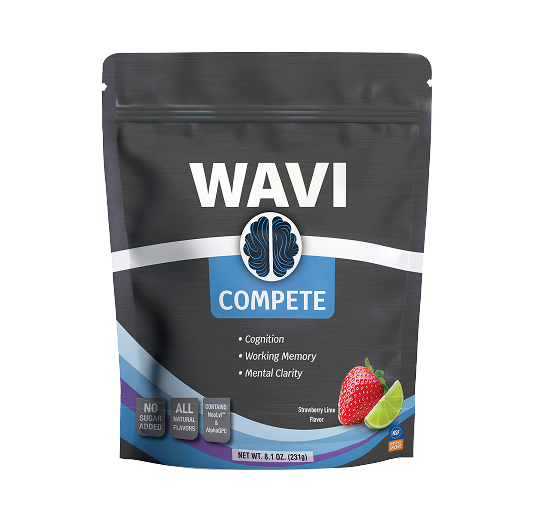
Select supplements that are independently tested for quality and purity. If you’re an athlete or subject to drug testing, choose products that are NSF Certified for Sport®, such as Wavi COMPETE.
4. Start low and monitor your response.
Begin with the lowest effective dose or introduce yourself slowly to nootropic drink mixes, and pay attention to how your body responds, including changes in focus, mood, sleep, or energy.
5. Avoid excessive stacking or long-term daily use.
Using multiple nootropics at once or taking them continuously without breaks can increase the risk of side effects and tolerance.
If you want to use nootropics the safe way, you need to choose researched products, respect recommended dosages, and prioritize quality and transparency. Ultimately, nootropic supplements should support healthy habits, not replace them.
Alternatives (Or Helpful Additions) to Nootropics
If you’ve tried nootropics and have noticed side effects, or simply want to support yourself better while taking them, there are effective alternatives and complementary habits to consider. In many cases, these foundational practices can be just as impactful as the supplements themselves:
- Prioritize Sleep: Sleep is one of the most powerful cognitive enhancers available. Consistent, restorative sleep supports memory, focus, mood, and overall brain function. Even the most effective nootropic can’t compensate for chronic sleep deprivation.
- Practice Mindfulness: Chronic stress can impair focus, memory, and decision-making. Mindfulness practices such as meditation, deep breathing, or even short daily breaks can improve mental clarity and reduce mental fatigue.
- Stay Active: Regular movement increases blood flow to the brain and supports long-term cognitive health. Even light exercise, such as walking or stretching, can help boost focus and reduce stress.
- Focus on Balanced Nutrition: Your brain relies on a steady supply of nutrients to function correctly. Eating balanced meals with adequate protein, healthy fats, complex carbohydrates, and micronutrients helps maintain stable energy levels and mental clarity throughout the day.
Bottom Line: Nootropics Are Safe if Quality, Dosage, and Context Are Considered
When approached thoughtfully, nootropics can be a safe and effective tool for supporting focus, energy, and mental clarity, as long as you choose quality products, follow recommended dosages, and pair them with healthy habits like good sleep, nutrition, and mindfulness.
One example of a responsible nootropic option is Wavi COMPETE, a nootropic drink mix that stands out for several reasons:
- It’s NSF Certified for Sport®, meaning it’s third-party tested for safety and free of banned substances, which is vital if you’re an athlete or drug-tested professional.
- The formula uses researched ingredients with clear roles in supporting cognition, energy, and focus.
- Dosages are transparent and balanced, helping avoid overstimulation or guesswork every day with unlabeled blends.
Ultimately, nootropics aren’t a magic quick fix, but when you pick trusted products like Wavi COMPETE, respect dosing guidelines, and support their use with positive lifestyle habits, they can be part of a safe approach to sharper focus and sustained performance.