The 5 Best Drinks for Athletes

Athletic performance isn’t just built in the gym or on the field. It’s shaped by what you put into your body before training, during competition, and after recovery begins. For today’s athletes, hydration and energy are no longer just about “drinking enough water.” They’re about strategy and matching the right drink to the demands of training and competition.
From classic sports drinks for athletes to modern energy and focus blends, the performance beverage space has become increasingly crowded and often confusing. Some promise explosive energy but deliver crashes. Others hydrate but leave performance on the table. The best choices balance hydration, mental focus, and sustained energy without compromising recovery.
Below, we break down the 5 best drinks for athletes, so you can fuel smarter, perform better, and recover faster.
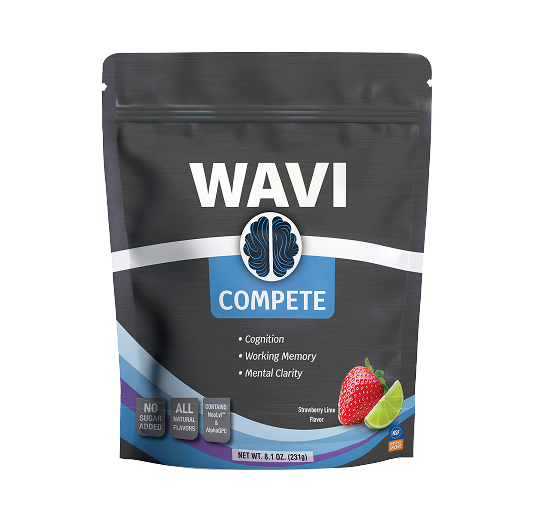
1. Wavi COMPETE (Clean Energy + Cognitive Performance Support)
When athletes talk about energy, they’re often really talking about focus, motivation, and mental stamina. Physical output depends heavily on how well the brain communicates with the body, and that’s where Wavi stands apart.
Unlike traditional energy drinks for athletes that depend on sugar spikes or excessive stimulants, Wavi is built around ingredients that support performance more intelligently. Instead of pushing the nervous system into overdrive, it focuses on sustained clarity, controlled energy output, and mental resilience during training and competition.
Key ingredients like L-Tyrosine support cognitive performance under physical and mental stress, while L-Theanine helps smooth stimulation and reduce the jittery effects common in high-caffeine formulas. This balance allows athletes to stay sharp and composed when precision and timing matter most. Other functional compounds support blood flow and oxygen delivery, reinforcing both mental clarity and physical readiness during extended sessions.
This ingredient-driven approach delivers tangible benefits beyond short-lived stimulation. Athletes report better focus, steadier pacing, and fewer crashes, especially during long training days or competitive environments that demand consistent decision-making. Rather than forcing intensity, WAVI supports the internal conditions that allow performance to stay reliable.
That reliability plays a direct role in motivation. When energy feels predictable instead of volatile, athletes are more likely to train with intention, confidence, and discipline. The result is a performance mindset that carries across workouts, competitions, and recovery periods.
By supporting both cognitive output and physical execution, Wavi aligns with how modern athletic performance actually works: focus drives movement, and controlled energy sustains results. This is why many athletes now evaluate drinks not just by how energized they feel, but by how well those drinks support focus, motivation, and long-term performance throughout a training cycle.
Best for:
Pre-game focus, training sessions, cognitive endurance, and clean energy without crashes.
2. Water (Still the Foundation for Every Athlete)
No list of the best drinks for athletes is complete or trustworthy without mentioning water. Despite the explosion of performance beverages, water remains essential for every system involved in athletic output.
The benefits of drinking water for athletes are fundamental:
- Temperature regulation
- Joint lubrication
- Nutrient transport
- Cardiovascular efficiency
Even slight dehydration reduces strength, endurance, and coordination. For many workouts, water alone is enough, especially for short sessions or low-intensity training.
That said, water doesn’t replace electrolytes lost through sweat, which is why it’s commonly supplemented with hydration drinks for athletes during longer or higher-intensity training sessions.
Best for:
Daily hydration, short workouts, recovery days, and baseline performance support.
3. Electrolyte-Based Sports Drinks (Used Strategically)
Are sports drinks better than water for athletes?
The answer depends on context.
For long-duration, high-intensity, or heat-heavy training, sports drinks for athletes can outperform water by replacing electrolytes and carbohydrates lost through sweat. In these situations, are sports drinks good for athletes? Yes—when used intentionally.
The best hydration drinks for athletes in this category:
- Contain sodium and potassium
- Avoid excessive sugar
- Digest easily
Endurance athletes often rely on these options, particularly when identifying the best sports drink for endurance athletes who need sustained hydration and fuel over time.
However, sports drinks used outside of training, or consumed excessively, can hinder recovery and metabolic health. Balance matters.
Best for:
Endurance sessions, long practices, hot conditions, and competition days.
4. Protein-Based Recovery Drinks (Post-Training Support)
Performance doesn’t improve during training; it improves during recovery. That’s why recovery beverages play a critical role in athletic success.
After training stress, the body enters a critical repair window. The best recovery drinks for athletes support this phase by replenishing fluids, repairing muscle tissue, and stabilizing the nervous system.
In endurance sports, where depletion is more severe, the best recovery drinks for endurance athletes additionally prioritize glycogen restoration and electrolyte balance.
These drinks are most effective when paired with hydration and consumed shortly after training ends. While not designed for energy or stimulation, they’re essential for athletes training frequently or at high volumes.
Best for:
Post-workout recovery, muscle repair, and long training cycles.
5. Natural Teas & Low-Stimulant Energy Options
Not every training day calls for high stimulation. Some days require focus, light energy, and hydration—without pushing the nervous system into overdrive. That’s where teas and low-stimulant beverages play an important role in an athlete’s routine.
Options like green tea, yerba mate, and herbal blends are often categorized as healthy drinks for athletes because they deliver antioxidants, gentle caffeine, and hydration support without the aggressive peaks associated with traditional performance beverages. These drinks are especially useful during recovery phases, mobility sessions, or lighter training blocks.
Compared to conventional high-energy drinks for athletes, natural teas offer a slower, more controlled release of energy. This makes them a practical choice when mental clarity is needed, but explosive output is not the priority.
On lighter days, these beverages also function well as good drinks for athletes who want to stay hydrated and alert without taxing recovery. They’re commonly used between workouts, during travel days, or as part of a wind-down routine after evening training.
This category also helps clarify a common concern: are energy drinks bad for athletes? The answer isn’t a simple yes or no. Problems tend to arise from excessive caffeine, artificial additives, and frequent overuse—not from energy support itself. Low-stimulant, naturally sourced options offer a middle ground that supports consistency rather than spikes.
Best for:
Light training days, recovery phases, and gentle energy support.
Mental Performance: The Overlooked Factor in Athlete Drinks
While hydration and electrolytes support the body, athletic performance ultimately runs through the brain. Reaction time, focus under pressure, decision-making speed, and motivation all originate in the nervous system. This is where nootropics enter the conversation.
Nootropics are compounds designed to support cognitive performance, particularly under stress. In athletic contexts, that stress can come from competition pressure, fatigue, long training cycles, or high-stakes moments where mental clarity matters as much as physical strength. Research around nootropics and athletic performance shows that supporting neurotransmitters involved in focus, motivation, and alertness can improve consistency and execution, especially in sports that demand split-second decisions.
Unlike traditional high-energy drinks for athletes, nootropic-based formulations are designed to support mental output without overstimulating the body. Instead of forcing intensity through excess caffeine, they focus on clarity, reaction time, and decision-making under pressure.
This makes them especially relevant for those seeking clean pre-workout drinks for athletes that enhance focus without interfering with hydration, recovery, or sleep. Rather than relying on sharp spikes in stimulation, these drinks aim to support performance where it starts: the nervous system.
The growing interest in nootropic pre-workout formulations reflects a broader shift away from “more caffeine” and toward smarter performance support. When paired with proper hydration and nutrition, nootropic-based drinks help maintain mental engagement throughout training and competition, rather than relying on short-lived energy surges.
This approach aligns closely with how modern performance systems are built—not around isolated boosts, but around sustainable support for energy, focus, and motivation.
Are Energy Drinks Actually Bad for Athletes?
The debate around energy drinks often leads to a simplified question: Are energy drinks bad for athletes? The more accurate answer is that it depends on formulation, dosage, and timing.
Many traditional energy drinks rely heavily on sugar and excessive caffeine. These formulas may temporarily increase alertness, but they often come at the cost of dehydration, an elevated heart rate, and post-exercise fatigue. In those cases, the drawbacks outweigh the benefits.
Energy drinks are not inherently good or bad for athletes; effectiveness depends on formulation. When they’re low in sugar, controlled in caffeine, and designed to support both mental and physical performance, they can play a useful role. This shift explains the rise of energy drinks without sugar for athletes that aim to reduce crashes and dehydration while maintaining performance.
This shift has fueled interest in energy drink replacements that emphasize sustained output rather than intensity. As athletes become more informed, the focus has moved from “How strong does this feel?” to “How well does this support my training over time?”
High Energy Drinks vs. Sustainable Performance
It’s tempting to equate intensity with effectiveness. High-energy drinks for athletes are not the fastest path to better performance. In reality, excessive stimulation often leads to inconsistency.
Sustainable performance comes from drinks that:
- Support steady energy
- Preserve hydration
- Avoid sharp crashes
- Protect recovery
As training volume increases, it becomes worth exploring clean energy drinks for athletic gains. The goal isn’t to feel “amped”—it’s to feel capable, focused, and resilient.
Many athletes are also curious about how caffeine affects their performance, not just for short bursts of alertness, but also for sustained focus and energy management throughout training.
Understanding how nootropics and caffeine work together can help you choose options that enhance focus and clarity without causing jitters or interfering with hydration and recovery, which is especially important when high training volume is part of your routine.
Building Your Personal Athlete Drink Stack
Rather than searching for one perfect beverage, athletes benefit from building a small “drink stack” based on needs:
- Daily hydration: Water, mineral water
- During intense sessions: Sports drinks for athletes
- Pre-game focus: Clean pre-game drinks for athletes
- Post-training: Best recovery drinks for athletes
- Mental performance: Natural energy drinks for athletes
This flexible approach ensures that drinks support training rather than interfere with it.
Final Thoughts: Smarter Drinks, Better Performance
The conversation around the best drinks for athletes has evolved. It’s no longer about extremes—more sugar, more caffeine, more hype. It’s about intention.
Athletes who understand hydration, energy, and recovery make better choices and perform more consistently.
Performance isn’t built on shortcuts. It’s built on systems, and what you drink is part of that system.
Athletes who take a systems-based approach to hydration and energy often outperform those who rely solely on habit. Understanding when to use water, sports drinks, clean energy, or recovery support helps better adapt across training phases. Over time, these small decisions compound into better consistency, fewer setbacks, and improved long-term performance.
If you’re looking for an energy drink that supports cognitive performance alongside physical performance, choosing a formula designed for both is key. Thoughtful energy, focus, and motivation can make the difference between pushing through a session and performing with intention. Shop Wavi COMPETE today and fuel your training with clarity, not crashes.